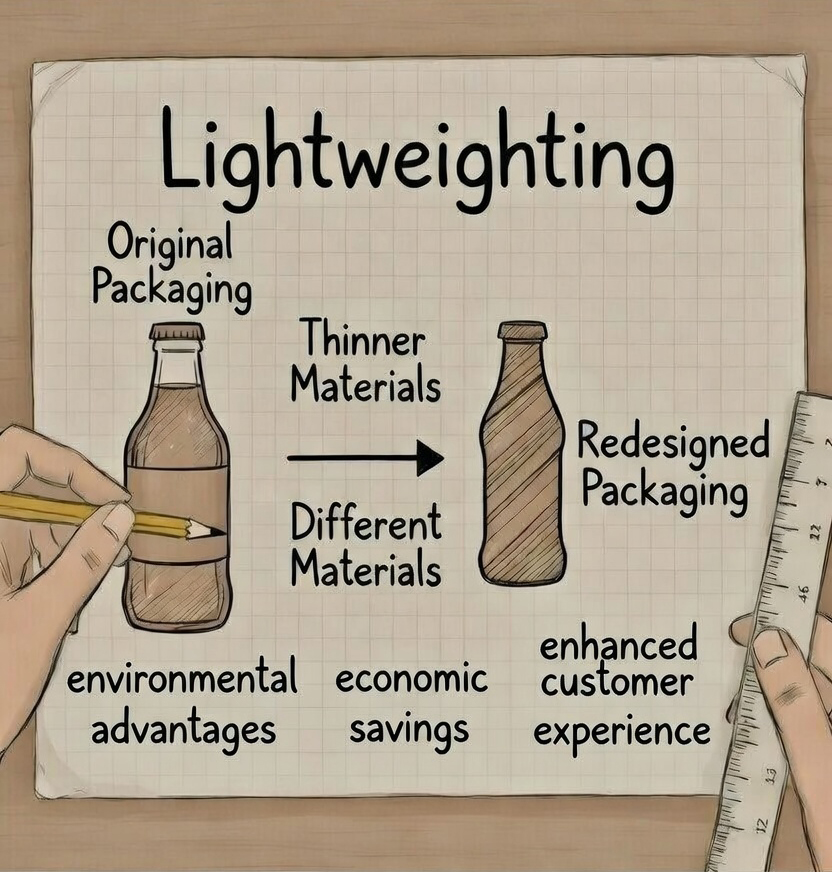
In an era where sustainability is no longer a buzzword but a business imperative, the packaging industry is embracing innovative strategies to meet consumer demands for eco-friendly products. One such transformative approach is lightweighting—a process that’s revolutionizing how companies design, produce, and distribute packaging. This method not only slashes material usage but also cuts costs, reduces environmental impact, and enhances overall efficiency. From lowering shipping expenses to minimizing carbon footprints, lightweighting is reshaping the ecosystem of modern packaging solutions. As we delve deeper into this topic, we’ll explore what lightweighting entails, its myriad benefits, real-world examples, potential challenges, and the booming market trends driving its adoption. What is Lightweighting in Packaging? Lightweighting refers to the strategic redesign and optimization of packaging to reduce its overall weight without compromising durability, strength, or functionality. At its core, this process involves reengineering existing packaging formats to make them lighter, more efficient, and resource-conscious. It’s a key pillar in sustainable packaging practices, aligning with global efforts to combat waste and resource depletion. Achieving lightweighting can be done through several innovative methods:
- Thinner Materials: Utilizing advanced manufacturing techniques to create slimmer walls or layers in containers, such as reducing the gauge of plastic films or metal sheets. Downgauging and using lighter shrink wrap with comparable strength would be an example.
- Material Substitution: Switching to lighter alternatives, like replacing traditional glass with high-strength polymers or incorporating bio-based composites.
- Structural Redesign: Rethinking the package’s architecture, such as optimizing shapes for better load distribution or integrating ribbing for added strength with less material.
- Shipping Redesign: Evaluate all pieces and products involved in the product shipping package and redesign functional, yet protective packaging with environmentally friendly materials or fewer materials.
Beyond mere weight reduction, lightweighting focuses on holistic efficiency. By minimizing material inputs, it directly leads to lower production costs and reduced environmental strain. For instance, lighter packages mean fewer raw materials extracted from the earth, translating to decreased energy consumption during manufacturing and transportation.
The Multifaceted Benefits of Lightweighting
The appeal of lightweighting extends far beyond environmental considerations—it’s a multifaceted strategy that delivers tangible advantages across the supply chain. As consumer preferences shift toward sustainable products, businesses adopting lightweighting can gain a competitive edge while boosting their bottom line.
Environmental Advantages – One of the most compelling benefits is the reduction in carbon emissions. Lighter packaging requires less fuel for transportation, resulting in lower greenhouse gas outputs. According to industry reports, minimizing package weight and volume can significantly cut transportation-related carbon emissions and even water usage in production processes. The slimmer designs also generate less waste at the end of the product’s life cycle, promoting a circular economy where materials are reused or recycled more effectively.
Economic Savings – Cost efficiency is a major driver for lightweighting adoption. Reduced material usage directly lowers procurement expenses, while lighter loads decrease shipping and logistics costs—often by 10-20% or more, depending on the scale. Warehousing benefits from compact designs, allowing more products to be stored in the same space and optimizing inventory management. Additionally, leaner production lines consume less energy, further trimming operational overheads.
Enhanced Consumer Experience – Lightweight packaging isn’t just about backend efficiencies; it also improves the end-user experience. Easier-to-carry bottles, pouches, and boxes enhance convenience, making products more appealing for on-the-go lifestyles. This can lead to greater customer satisfaction and loyalty, as consumers increasingly associate lightweight, eco-friendly packaging with premium quality and brand responsibility.

Other notable perks include:
- Improved Supply Chain Agility: Lighter materials enable faster production cycles and easier handling.
- Regulatory Compliance: Aligns with global standards on waste reduction and sustainability, such as the EU’s Packaging and Packaging Waste Directive and U.S. EPA guidelines.
- Brand Differentiation: Positions companies as leaders in green innovation, attracting eco-conscious buyers.
Real-World Examples of Lightweighting Success
Lightweighting isn’t a theoretical concept—it’s already delivering results across diverse industries. Here are some standout case studies that illustrate its practical application:
- Diageo and Dassault Systèmes: In a cutting-edge collaboration, Dassault Systèmes conducted virtual simulations to redesign a lightweight glass bottle for Diageo’s iconic Johnnie Walker whiskey. This initiative maintained the bottle’s premium aesthetic and integrity while significantly reducing weight, showcasing how digital tools can accelerate sustainable innovation in beverage packaging.
- Henkel’s Taft Hairspray: Henkel, a global leader in consumer goods, thinned the walls of its aerosol cans for Taft hairspray. This simple yet effective change saved over 15% in materials and water usage, demonstrating lightweighting’s potential in personal care products.
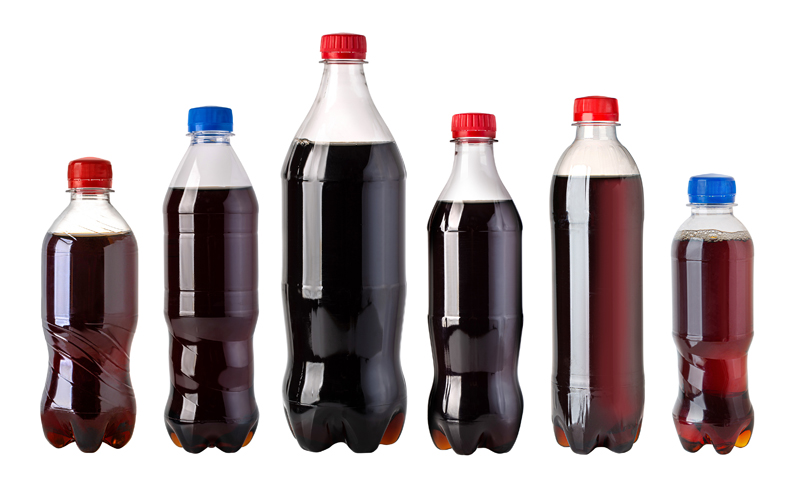
- Coca-Cola’s PET Bottles: Coca-Cola pioneered lightweighting by reducing the weight of its 500ml PET bottles from 21 grams to 18.5 grams. This adjustment not only cut annual plastic usage by the equivalent of nearly 800 million bottles but also lowered production costs and environmental impact, setting a benchmark for the food and beverage sector.
- Ford Motor Company’s F-150 Truck: While not strictly packaging, Ford’s shift from steel to high-strength aluminum in its F-150 reduced the vehicle’s weight by about 700 pounds. This principle applies similarly to shipping containers and automotive packaging, where lighter materials enhance fuel efficiency and durability.
- Mondi’s Banana Box: Packaging giant Mondi developed a lighter banana box using 40% recycled fiber. Weighing 10% less than traditional designs, it remains equally robust and sustainable, highlighting lightweighting’s role in fresh produce logistics.
These examples span materials such as metal cans, plastic containers, glass bottles, and paperboard, demonstrating lightweighting’s versatility across food, beverages, consumer goods, and even industrial applications.
The Broader Impacts of Lightweighting
The ripple effects of lightweighting are profound. For Coca-Cola, the bottle redesign alone prevented millions of tons of plastic from entering the waste stream. Henkel’s thinner cans not only conserved resources but also streamlined manufacturing processes. On a larger scale, widespread adoption contributes to global sustainability goals, such as the United Nations’ Sustainable Development Goals (SDGs), targeting responsible consumption and production. However, measuring impact requires a life-cycle assessment (LCA) approach that evaluates everything from raw material extraction to disposal. Studies show that lightweighting can reduce a package’s carbon footprint by up to 30%, making it a cornerstone of net-zero strategies.
Challenges and Considerations in Lightweighting
While lightweighting offers numerous upsides, it’s not without hurdles. Not all products are suitable—fragile items like electronics or heavy goods may require robust protection to prevent damage during transit, potentially increasing return rates or posing safety risks. Thinner materials could compromise barrier properties against moisture, oxygen, or contaminants, necessitating advanced coatings or hybrid designs. The process often demands specialized engineering expertise, which can elevate initial development costs. Businesses might need to invest in new machinery, employee training, or R&D, posing short-term financial strains.

Consumer perception is another factor: Some may view lighter packaging as “cheaper” or less premium, impacting brand image. To counter this, effective marketing and education are essential, emphasizing the environmental and quality benefits. Despite these challenges, with proper planning and innovation, the pros typically outweigh the cons, especially as technology advances.
Market Trends and Future Outlook for Lightweight Packaging
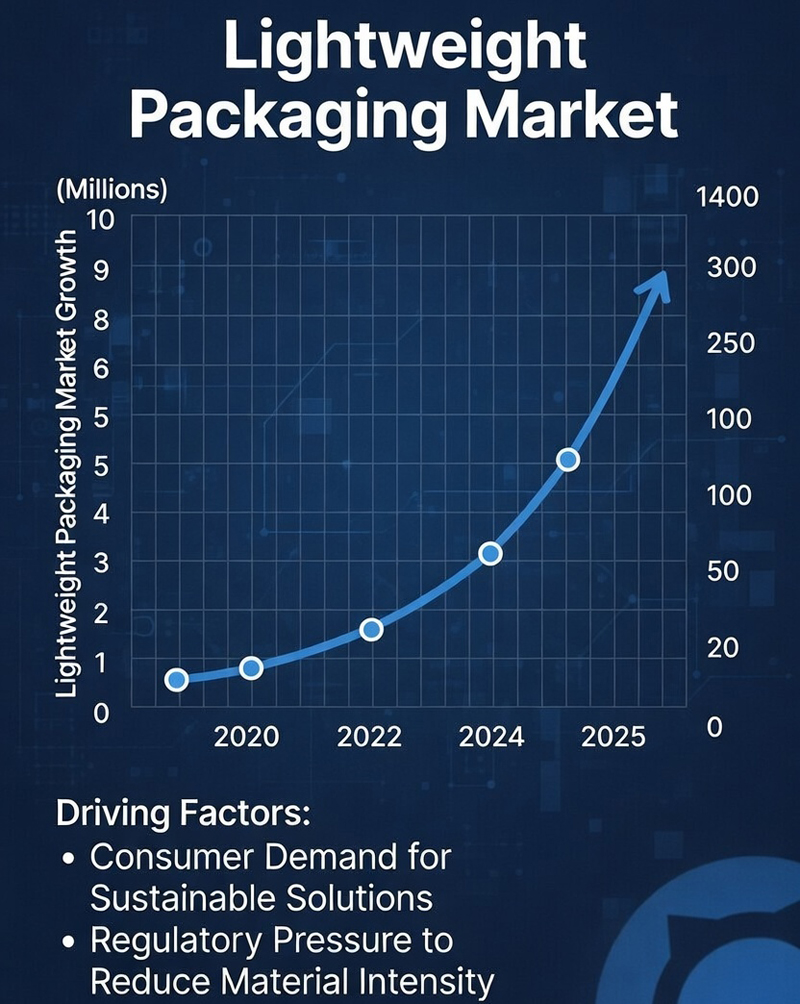
The lightweight packaging market is on a meteoric rise, fueled by consumer demand for sustainable solutions and regulatory pressures to reduce material intensity. According to Fortune Business Insights, the global lightweight packaging market was valued at $105.10 billion in 2025. It is projected to grow from $113.08 billion in 2026 to $212.13 billion by 2034, exhibiting a robust CAGR of 8.18% during the forecast period.
Key drivers include:
- Sustainability Initiatives: Bans on single-use plastics and carbon taxes are pushing companies toward lighter, greener alternatives.
- Technological Advancements: Developments in nanomaterials and 3D printing enable ultra-light designs with superior strength. The ability to produce stronger, lighter materials.
- E-Commerce Boom: Lightweight packaging reduces shipping costs for online retailers, aligning with the surge in direct-to-consumer models.
- Regional Dynamics: Asia-Pacific is emerging as a growth hotspot, with countries like China and India investing in eco-friendly manufacturing.
Looking ahead, expect integration with smart packaging technologies, such as RFID for traceability, and a shift toward fully recyclable or biodegradable materials. By 2034, lightweighting could become the industry standard, transforming how we think about packaging’s role in a sustainable world.
Conclusion: Embrace Lightweighting for a Sustainable Future. Lightweighting represents a smart, forward-thinking evolution in the packaging industry, balancing economic viability with environmental stewardship. As businesses navigate the demands of eco-conscious consumers, adopting this approach can drive cost savings, innovation, and long-term growth. Whether you’re in food and beverages, personal care, or industrial sectors, lightweighting offers a pathway to efficiency and responsibility.
At U.S. Packaging & Wrapping, we specialize in high-quality, customizable packaging solutions that incorporate lightweighting principles to meet your sustainability goals. Explore our range of eco-friendly options by visiting our website, calling us at 1-800-441-5090, or emailing customerservice@uspackagingandwrapping.com. Let’s discuss the lighter side of your packaging needs.

 Packaging Blog