When it comes to packaging your products, whether for transport or resale, the choices seem endless.
Understanding rigid and flexible packaging is a great starting point for making informed decisions.
Rigid packaging, as the name suggests, is a solid form that holds its shape. Think hard cardboard boxes, plastic containers, metal canisters, glass jars, or tin cans.
Not only does rigid packaging protect the product during shipping or storage, but some prefer the aesthetics to make their product more appealing—like the iconic Tiffany & Company blue box that holds jewelry and other gift products.

But perhaps the fastest-growing type of packaging in today’s retail world is flexible packaging. The possibilities for this type of packaging are infinite.
Let’s explore.
WHAT IS FLEXIBLE PACKAGING?
Flexible packaging is a package or container made of flexible material that can change shape. It usually applies to bags, pouches, or wraps made from materials like plastic films, foils, or even paper.
WHAT ARE THE USES OF FLEXIBLE PACKAGING?
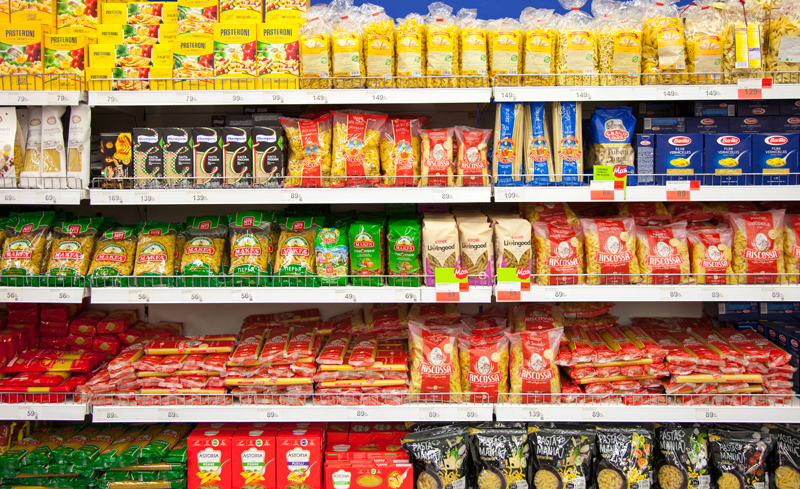
This type of packaging is used for things like toothpaste, drink pouches, bags for coffee beans or other food products, pet food and even engine oil.
According to the Flexible Packaging Association, food is the largest market for flexible packaging, accounting for about 50% of shipments.
Other markets for flexible packaging include pet food – 2%; personal care – 5%; beverages – 6%; other non-food – 9%; industrial applications – 7%; consumer products – 2%; and medical and pharmaceutical – 16%.
No matter where you look in your local retail store, you’re going to find flexible packaging on the shelves.
WHAT ARE THE ADVANTAGES OF FLEXIBLE PACKAGING?
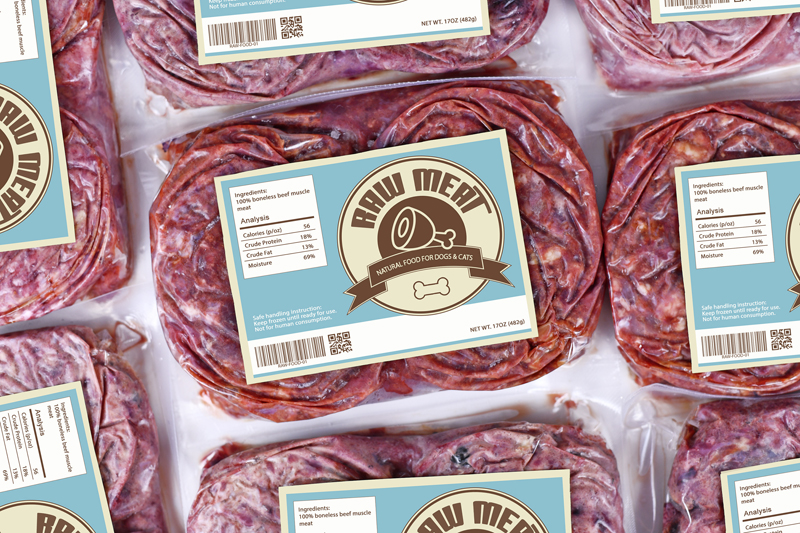
There are multiple advantages to flexible packaging. It increases the shelf life of the product, is often resealable for future use by the consumer, it can hold more product than rigid packaging and has high-quality print and design options. It can have convenient features like resealable zippers, spouts or pouches.
Flexible packaging also frees up space in the warehouse because it can be folded flat and even baled for shipment.
It is also often cheaper to produce in large quantities, and the process tends to be faster and more streamlined.
WHAT ARE THE DISADVANTAGES OF FLEXIBLE PACKAGING?
Flexible packaging has few disadvantages, but they do exist. For one, it is typically seen as a “plastic” product, which has a bad reputation in the green world.
It lacks a perception of “recyclability,” even though industry advances are showing progress on this front.
The soft plastic composition of flexible packaging may impact the food’s taste.
Flexible packaging is not good for transporting fragile items.
WHAT IS THE HISTORY OF FLEXIBLE PACKAGING?
Where and when flexible packaging began is debatable. Some say it was first used in the mid-to-late 1800s for artists’ paints and also with the invention of toothpaste. Others say it was earlier when fabric bags were used to hold grain and commodities like sugar and flour.
Flexible intermediate bulk containers – also known as big bags, bulk bags, and bulk sacks — manufactured with polyolefin fabrics were experimented with in England, Japan, Canada and the U.S. in late 1960s and early 1970s.
The rapid growth of these flexible bulk containers occurred in the mid 1970s during the oil crisis. Oil-producing countries required large quantities of cement to be shipped to the middle east.
The flexible packaging concept that grew into the industry we see today took off in the mid 1950s when the resealable plastic bag was invented. It wasn’t until 1968 when the bags, like Ziploc, were first used for food storage.
Yogurt in a flexible tube using corn-based bio packaging was introduced in 2000.

WHAT IS THE FUTURE OF FLEXIBLE PACKAGING?
According to the Flexible Packaging Association, the flexible packaging industry had $41.5 million in sales in the United States in 2022.
That number is expected to steadily climb in the years to come as the industry sees expansion and experiments with different materials and testing for various more uses.
——-
U.S. Packaging & Wrapping offers dozens of flexible packaging options, like our re-closeable bags that come as small as 1.5 inches wide up to 24 inches wide or our meat-wrapping rolls available in multiple thicknesses. If you are in the market for flexible packaging, visit our website at uspackagingandwrapping.com or contact us by phone at 1-800-441-5090 or by email at customerservice@uspackagingandwrapping.com

 Packaging Blog