
Shipping a heavy box for personal or commercial reasons can be expensive, stressful, and possibly fruitless if the item arrives damaged or lost in transit. This article offers suggestions for shipping a heavy box without damage. The listed tips require additional effort but can make a difference, especially if heavy boxes are repeatedly packaged and shipped.
Let’s begin by determining what a heavy box or package is. According to UPS, overweight boxes are 70LB, and FedEx also says boxes 70lb and over are considered overweight and may need approval for shipping. For packaging and shipping, we recommend additional cautions taken for packages over 20 lbs. Even if the item is not easily broken, the box or package can become damaged, or lost. Follow the tips below to help your package show up intact.
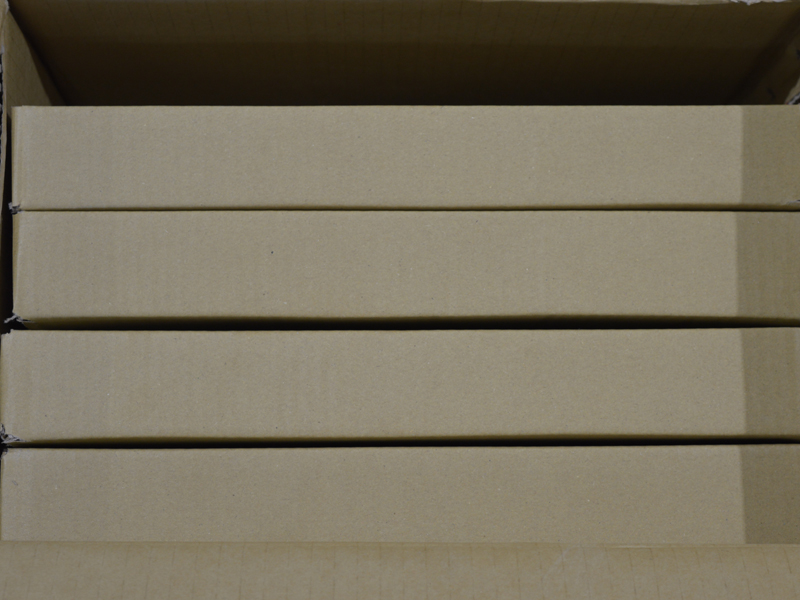
Fill Voids – Gaps or voids between the package and the item allow movement during transport. Even with light and fragile shipments, reducing voids within the package is essential to decrease movement during transport. Smaller void gaps can be accomplished in a few different ways.
* Proper Package Size – Using the correct size of box or container is the best way to reduce voids for products to move during transport. Custom book packaging options allow some packages to be made to custom fit each book.
* Use void fill packaging materials – There are many forms of void fill materials, bubble wrap is the most common, but other materials such as kraft paper, Styrofoam, and biodegradable options are also available.
* Wrap the product before placing it in the box—Using bubble wrap or foam to wrap the product directly will help reduce its impact if the package is dropped and reduces empty spaces within the package.
* Blister/Molded Packaging— Custom packaging is molded to the product being shipped. The mold is made to perfectly fit the product reducing impact and movement during shipping. These form-fit molds can be made from Styrofoam, plastic, or other materials.
Heavy and bulky products do great when shipped in the proper custom-molded packaging. The box or carton used for packaging molds should fit the exterior of the mold snuggly without movement.

Strap the Outside of the Box – Some carriers are specific about the type of strapping and buckles used for parcel shipments. Strapping is a superb option for shipping heavy boxes. It offers additional support to ensure the package does not open during transit.
Strapping comes in a range of widths and tensile strengths. For efficiency, a strapping machine is ideal for securing heavy boxes. Several options and sizes of strapping machines are available, from auto machines to manually fed. The machine will tighten and mend the strapping to ensure the box or container will remain closed during transit. There is the option of using metal or plastic clamps to close strapping, which can cause issues during shipping and processing packages. Protruding buckles and closures can entangle conveyors and processing equipment at shipping facilities, causing the package to be damaged or lost.
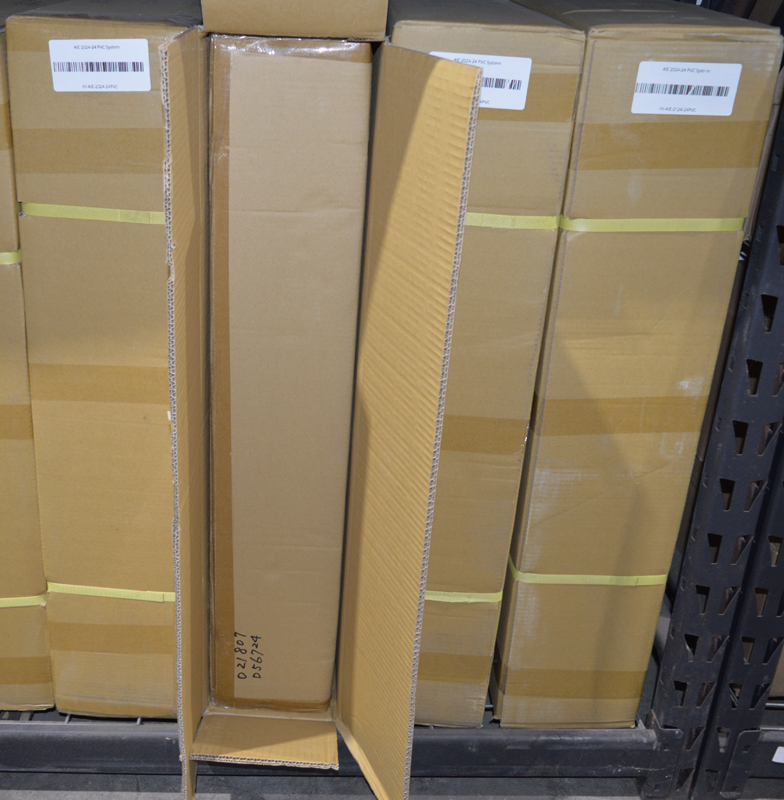
Box Within a Box – Using more than one box to secure heavy, damageable items will require additional costs, but can help protect and secure heavy items much better than one box. When shipping more oversized, heavier items, we have seen reduced damage rates when shippers use molded packaging with two corrugated boxes.
It is imperative that the boxes correctly fit within each other to reduce any voids or gaps. The additional box ensures a tighter fit and increased protection from opened packages during transit. In some scenarios, two double-walled boxes may be required to effectively protect the item or items being shipped.

Additional Insurance – Even with extra precautions, additional insurance is recommended for heavy packages with value. Carriers have an insurance cap on shipped items without a stated value. To claim more than the cap, a stated value should be made before the shipment with additional insurance. Some carriers will charge more for the increased insurance, but if something goes wrong with an expensive or one-of-a-kind item, it will help to have it.
Conclusion
If you ship enough, there is no way to stop damage and lost packages 100%. Heavier packages are even more at risk. Taking small steps to help secure shipments will reduce damage rates while increasing customer satisfaction. The tips listed in the post will help reduce damage rates for heavy packages. Implementing them will take more effort and cost, but in the long run, they may be much less expensive than high damage or loss rates.

 Packaging Blog